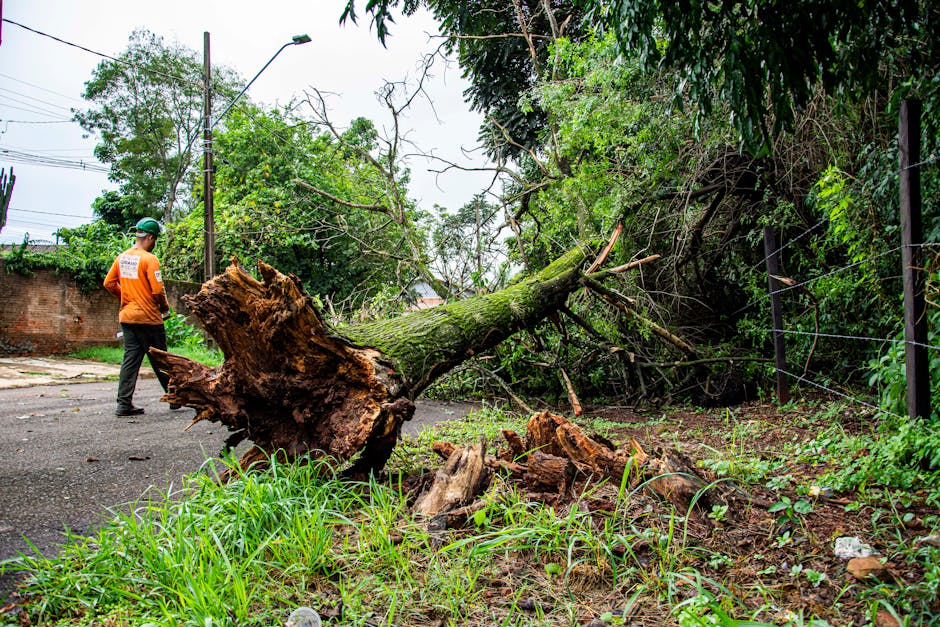
Emergency tree removal gardeners Morden same day response

When a tree suddenly leans, cracks, or drops a heavy limb after wind or rain, you do not really have time to sit and debate it. You need someone local, calm, and able to move fast. That is where Emergency tree removal gardeners Morden same day response matters most. It is not just about cutting wood. It is about reducing risk, protecting property, and getting a dangerous situation under control before a bad moment becomes a much bigger one.
In Morden, emergency tree work often comes down to practical judgement. Is the tree blocking access? Is it hanging over a driveway, fence, shed, or neighbour's garden? Is there visible splitting at the trunk or root plate movement? A good response is quick, but it is also careful. Truth be told, speed without control is not much use here.
This guide explains how emergency tree removal works, when same day response makes sense, what a professional gardener or tree team should do on arrival, and the common mistakes people make when they are under pressure. If you are dealing with a live problem right now, you will also find a checklist that helps you act in the right order rather than panicking and hoping for the best.
- Why same day emergency tree removal matters
- How the process works
- Key benefits and practical advantages
- Who needs this and when it makes sense
- Step-by-step guidance
- Expert tips for better results
- Common mistakes to avoid
- Tools, resources and recommendations
- Law, compliance and best practice
- Options and methods compared
- Case study or real-world example
- Practical checklist
- Conclusion
- Frequently asked questions
Why Emergency tree removal gardeners Morden same day response Matters
Emergency tree removal is one of those jobs that feels simple from a distance and very different up close. A tree might look stable, then a gust of wind shifts it and you notice the hidden split, the lifted root plate, or the branch hanging by a thread. That is the point where same day response becomes more than a convenience. It becomes a sensible safety measure.
The main reason this matters is risk. A damaged tree can fall further, especially in wet ground or windy conditions. It can also drop branches unexpectedly while people are nearby. If a tree is already touching a roof, wall, fence line, or power line area, the problem is no longer just horticultural. It is now about immediate protection of people and property.
There is also the timing issue. In an emergency, waiting days for a visit can increase the chance of further damage. A quick site assessment can often decide whether the tree needs full removal, partial dismantling, or temporary securing until more extensive work can happen safely. And to be fair, not every urgent call needs a full removal straight away, which is exactly why proper judgement matters.
If your emergency is part of broader garden damage, it can help to look at related support such as tree lopping and removal or even garden clearance if fallen material has spread across the garden and access paths.
There is another angle people sometimes miss: peace of mind. Once a dangerous tree is assessed and the immediate hazard is dealt with, the whole property feels less tense. You hear the wind differently. You sleep better. Small thing, maybe, but real.
How Emergency tree removal gardeners Morden same day response Works
A good emergency response follows a clear sequence. It is usually faster than a standard appointment, but it should never be rushed in a careless way. The process normally starts with a phone assessment or message exchange, where the team asks about the tree's position, visible damage, access, and any immediate danger to people, buildings, or vehicles.
From there, the response depends on the urgency. If the tree is actively unstable, the first priority is to make the area safer. That might mean asking everyone to keep away, avoiding the use of the space below the canopy, and not trying to pull branches free by hand. Then the team arranges same day attendance where possible.
On site, a gardener or tree specialist will usually check the tree from ground level first. They look for trunk splits, root movement, cracked limbs, stem failure, signs of decay, and the direction the tree is leaning. If the tree can be made safe by sectional dismantling, that is often the cleanest approach. If the tree is beyond safe repair, full removal may be the sensible route. Sometimes the better answer is not dramatic at all. Sometimes it is simply stabilisation and clean-up, with a fuller plan made later.
For ordinary but important aftercare, a service like garden maintenance can help once the emergency is over and you are back to a normal state. It sounds unglamorous, but tidy follow-up work makes a huge difference.
The removal itself may involve cutting the tree down in sections, lowering heavy pieces carefully, removing brash, and clearing the site. If access is awkward, the team may work from the top down with controlled rigging. If the tree is already down, the job may be more about safe cutting, loading, and disposal. Either way, the goal is the same: reduce danger, avoid further damage, and leave the area usable again.
Key Benefits and Practical Advantages
Same day emergency tree removal is not only about speed. It offers several practical benefits that matter when the clock is against you.
- Faster risk reduction: the main hazard is dealt with before wind, rain, or further collapse makes matters worse.
- Better protection for property: quick intervention can reduce the chance of roof, fence, driveway, or vehicle damage.
- Safer access: if the tree has blocked a path, entrance, or driveway, urgent clearance restores normal movement.
- Clearer decision-making: a proper site assessment helps you understand whether the tree needs removal, reduction, or staged work.
- Less stress: once the danger is under control, the situation stops dominating your day.
There is also a subtle but important advantage: professional teams know how to work without turning a bad situation into a worse one. That sounds obvious, but you would be surprised how often people try to improvise with ladders, garden saws, or a bit of rope. Not a great plan. Not even a slightly great plan.
If the incident has left a lot of debris, branches, or damaged planting behind, services overview can help you understand how emergency tree work fits alongside wider garden support, while recycling and sustainability is relevant if the cut material needs responsible disposal and reuse where possible.
Who This Is For and When It Makes Sense
This kind of service is for anyone dealing with a tree that has become unsafe, unstable, or obstructive. That includes homeowners, landlords, letting agents, property managers, and businesses with outdoor space. It is also relevant if you are responsible for a garden shared with neighbours, because one damaged tree can affect more than one boundary.
It makes sense to call for same day response when you notice any of these signs:
- a tree leaning noticeably after high winds
- large limbs hanging loose or partially broken
- cracks in the trunk or major scaffold branches
- root plate lifting or exposed roots rocking in soft ground
- branches touching a roof, glass, fence, or parked vehicle
- fallen timber blocking access or creating trip hazards
- storm damage that looks unstable rather than merely untidy
Sometimes people hesitate because the tree "has always been fine" or because it still has some leaves. That can be misleading. A tree can hold foliage and still be structurally compromised. You really do not want to judge safety from the top alone.
It also makes sense when the problem affects urgency rather than beauty. If the garden looks messy, that is one thing. If there is a tree threatening the house or a path people need to use, that is another. Emergency action is justified by risk, not by appearance.
Step-by-Step Guidance
If you are facing a tree emergency in Morden, here is a practical order to follow. Nothing fancy. Just sensible steps.
- Keep people away from the hazard. If a branch looks ready to fall, do not stand underneath it to inspect it. Easy to say, harder in the moment, but it matters.
- Check for immediate danger. Look for movement, cracking sounds, contact with buildings, or fallen debris. If there is any risk to life or power infrastructure, treat it as urgent.
- Gather basic information. Note the tree location, access points, visible damage, and whether vehicles, fences, sheds, or roofs are affected.
- Contact a local gardener or tree removal team. Explain the issue clearly and ask whether same day attendance is possible.
- Send photos if you can do so safely. Pictures help the team understand the scale before they arrive. Do not climb, lean, or take silly risks to get a better shot.
- Prepare access. Unlock gates, move vehicles if safe, and keep children and pets away from the work zone.
- Let the team assess on site. They will decide whether the tree can be dismantled, reduced, secured, or fully removed.
- Arrange clean-up and disposal. Ask what will happen to timber, branches, and arisings. It is much better to clarify this early.
One small but useful habit: keep a few clear photos of your garden and boundary areas during normal conditions. If an emergency happens, you have a reference point for what changed. It saves time and a bit of back-and-forth.
Expert Tips for Better Results
In emergency tree work, the best results usually come from calm decision-making and good communication. Here are a few things that genuinely help.
- Describe the problem, not just the tree. Say whether it is leaning, split, blocking access, or touching something. That helps the team prioritise.
- Be honest about access. Narrow side passage? Locked rear gate? Steep slope? Say so upfront. It avoids delays and surprises.
- Ask what happens after removal. Some people only think about getting the tree down, then realise they are left with a pile of timber and nowhere to put it. Bit awkward.
- Check whether follow-up work is needed. A tree emergency may expose damage to surrounding planting, fencing, or soil structure, which may need repair or later landscaping.
- Keep neighbours informed if the tree sits on a boundary. It is simpler when everyone knows work is happening and why.
If the emergency is tied to overgrowth or blocked sightlines rather than outright collapse, related services such as hedge trimming or landscaping may become relevant once the urgent part is done. Not the same job, of course, but sometimes the after-effects are linked.
Another practical tip: ask whether the team is insured and how they manage safety. Reputable operators should be comfortable discussing that. If they seem vague, that is a signal in itself.
Common Mistakes to Avoid
Emergency situations make people do odd things. Fair enough, stress does that. But a few mistakes crop up again and again.
- Trying to remove the tree yourself. A damaged tree can shift without warning. A hand saw and determination are not enough.
- Standing too close for a better look. You do not need to be under the branch to understand it is dangerous.
- Assuming all tree damage needs the same solution. Some trees need full removal, others can be made safe with selective cutting.
- Forgetting about hidden hazards. Wires, brittle branches, unstable soil, and damaged structures can all complicate the work.
- Leaving it until the weather gets worse. If a storm is due, waiting can turn a manageable issue into a much more difficult one.
- Not asking about disposal and tidy-up. The job is not really finished if the debris is still blocking the garden.
Another quiet mistake is under-communicating. If you only say "there's a tree problem", the response may be slower or less focused than it needs to be. A little detail helps a lot.
Tools, Resources and Recommendations
Most readers do not need to buy specialist tools for an emergency tree issue. In fact, trying to "equip yourself" is often the wrong instinct. What you do need is a practical understanding of what professionals may use and what information you should have ready.
| Need | What it helps with | What the homeowner should do |
|---|---|---|
| Site photos | Helps assess urgency before arrival | Take safe, clear pictures from a distance |
| Barrier tape or temporary warning | Marks off a risky area | Only if it can be done without approaching the hazard |
| Chainsaws and cutting equipment | Controlled dismantling and removal | Leave this to trained operators |
| Rigging and lowering gear | Manages heavy sections safely in tight spaces | Ask how the team handles awkward access |
| Protective equipment | Helps reduce risk during cutting and clearing | Check that the team uses appropriate safety kit |
Good recommendations are often practical rather than glamorous. Keep your access routes clear. Save emergency contact details before you need them. And if your garden is regularly affected by falling debris or dense growth, related services like lawn mowing and garden maintenance can help keep the overall space easier to manage, which does make emergency work simpler later on.
If you are comparing providers, the best question is not "who can get here fastest?" alone. Ask: who can assess the risk properly, work safely, and leave the site in a better state than they found it? That is the real test.
Law, Compliance, Standards, or Best Practice
Tree emergencies can involve safety, property boundaries, permissions, and disposal considerations. Because those issues vary, it is sensible to treat compliance carefully rather than assume a single rule applies everywhere.
In practice, the main best-practice points are straightforward:
- Safety first: do not approach unstable trees or hanging limbs.
- Check ownership and boundaries: if the tree sits on shared land or affects a neighbour's property, communication matters.
- Be cautious with protected trees or conservation considerations: if there is any chance a tree may be subject to special controls, it is wise to pause and confirm before work begins.
- Use insured professionals: emergency tree work carries real risk, so insurance and safe systems of work are important.
- Dispose of waste responsibly: timber, branches, and green waste should be handled in line with good environmental practice.
It is also sensible to check the company's own policies, especially if you want reassurance around risk and payment. Pages such as insurance and safety, health and safety policy, payment and security, and terms and conditions can help set expectations before you commit. That kind of transparency is worth more than a flashy promise, honestly.
If you are ever unsure about whether a tree issue needs urgent action, the safest assumption is to treat visible instability seriously until a professional has assessed it. Better cautious than sorry. Much better.
Options, Methods, or Comparison Table
Not every tree problem needs the same response. The right method depends on what is happening, how quickly it is moving, and what is at risk nearby.
| Method | Best for | Limitations | Typical outcome |
|---|---|---|---|
| Full emergency removal | Severe instability, major storm damage, clear danger | More disruptive, may require more time and equipment | Hazard removed quickly and site made safe |
| Sectional dismantling | Tight access, trees over buildings or boundaries | Slower than a simple cut-down | Controlled reduction with less chance of collateral damage |
| Branch reduction or partial pruning | Tree is damaged but still serviceable | Not suitable for major structural failure | Risk reduced while preserving some of the tree |
| Temporary securing and follow-up | Urgent but not catastrophic situations | Only appropriate where immediate collapse is not imminent | Short-term safety until fuller work can be arranged |
For example, a tree with a snapped top over a driveway may be best handled through sectional dismantling. A tree that has already split at the base and started to lean heavily is usually a different story. Same headline problem, different response. That distinction matters.
Case Study or Real-World Example
Picture a late afternoon call after a windy spell in Morden. A homeowner notices that one large conifer near the side return is now leaning further than it was that morning, with a thick branch resting against the fence and a smaller limb hanging loose. The garden is damp, the path is narrow, and the back gate is only partly usable.
In that situation, the sensible response is not to pull the branch free or wait until the weekend. A same day visit allows a professional to check whether the tree is stable enough for controlled dismantling. If the root plate has shifted, the tree may need full removal. If the trunk is intact but the top section is compromised, the team might remove the damaged material first and make the rest safe.
What made the difference in this kind of scenario was not just speed. It was clear communication, safe access, and a tidy follow-up. Once the dangerous material was cleared, the homeowner could use the path again, the fence damage was easier to inspect, and the rest of the garden stopped feeling like a risk zone. That change in feeling is hard to measure, but you notice it straight away.
If the incident leaves a broader mess across beds, lawn edges, or access routes, related work such as garden clearance can restore order afterwards. And if the aftermath affects the wider layout, the next step may be modest repair or redesign through landscape gardening. Not always. But sometimes, yes.
Practical Checklist
Use this quick checklist before and during the emergency response. It keeps things focused when the situation feels a bit messy.
- Keep everyone away from the tree and drop zone.
- Do not stand under hanging branches or lean sections.
- Look for signs of trunk cracking, root lifting, or sudden leaning.
- Gather a few safe photos from a distance.
- Note whether buildings, fences, cars, or paths are affected.
- Contact a local emergency tree removal team for same day response.
- Tell them about access, pets, neighbours, and any boundary issues.
- Ask what happens to timber, branches, and waste.
- Confirm whether further pruning, repairs, or maintenance will be needed.
- Keep the area clear until the work is completed.
That is really the core of it. Short list, but useful.
Get a free quote today and see how much you can save.
Conclusion
Emergency tree removal gardeners Morden same day response is about more than getting a tree down quickly. It is about making a risky situation safer, using good judgement, and handling the job in a way that protects people, buildings, and the wider garden. When a tree becomes unstable, speed matters, but so does restraint. The right call is the one that reduces danger without creating new problems.
If you are looking at a leaning tree, broken limb, or storm-damaged trunk right now, do the sensible thing first: keep clear, gather the basic details, and get professional help as soon as you can. A calm response today can spare you a much bigger headache tomorrow. And frankly, that is worth a lot.
When the dust settles, a safer garden feels different. Quieter. Easier to use. A little lighter, somehow.
Frequently Asked Questions
How quickly can emergency tree removal gardeners in Morden usually attend?
Same day response is often possible when the issue is urgent and access allows it, but timing depends on workload, weather, and how severe the hazard is. If a tree is posing immediate danger, explain that clearly when you call.
What counts as a tree emergency?
A tree emergency usually means the tree is unstable, fallen, partially fallen, or threatening a structure, vehicle, access route, or person. Visible trunk splits, root movement, and hanging branches are all common warning signs.
Should I try to cut a dangerous branch myself?
No, not if the branch is large, under tension, or near a roof, fence, or overhead hazard. Damaged trees can shift without warning. It is safer to keep back and let trained workers assess it.
Can every damaged tree be removed the same day?
Not always. Some trees can be fully removed straight away, while others need controlled dismantling or temporary securing first. The right method depends on the tree's condition and site access.
What information should I give when asking for urgent tree removal?
Give the tree location, what happened, whether it is leaning or split, what it is touching, whether access is easy or awkward, and whether anyone or anything is at risk. Photos help if you can take them safely.
Will the team clear away all the debris?
Usually, emergency tree removal includes clearing the main waste, but the exact scope should be confirmed before the job starts. It is sensible to ask what will happen to timber, branches, and smaller arisings.
What if the tree is on a boundary with a neighbour?
Boundary trees can be shared or disputed, so communication is important. If the tree affects both properties, let the neighbour know and be clear about the hazard and proposed work.
Do I need permission before removing a dangerous tree?
Sometimes special considerations apply, especially if a tree may be protected or subject to planning controls. If there is any doubt, a professional should advise caution before work proceeds.
How much does emergency tree removal cost?
Costs vary depending on urgency, size, access, risk level, and disposal needs. Because every emergency is different, a proper quote is usually based on the situation rather than a one-size-fits-all price.
What should I do while waiting for the emergency team to arrive?
Keep people and pets away, avoid standing near the tree, and do not try to move heavy branches. If it is safe, clear access routes so the team can get in quickly when they arrive.
Can emergency tree work be combined with other garden jobs?
Yes, often it can. Once the immediate hazard is dealt with, follow-up work such as lawn mowing, hedge trimming, or broader garden maintenance may help restore the garden properly.
How do I know if I should call now or wait until morning?
If the tree is leaning more than usual, shedding large limbs, touching a building, blocking access, or showing obvious cracking, do not wait. When in doubt, treat it as urgent and ask for a professional assessment.
If you want a clearer picture of the wider service options, you can also review the company's about us page or look at the full services overview for related garden support. Small step, but useful if you are planning beyond the emergency.