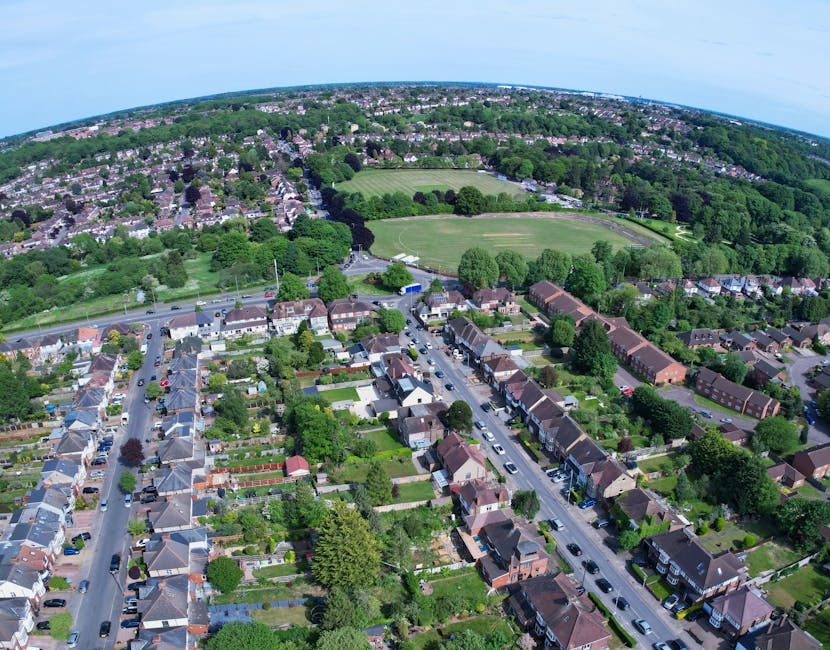
St Helier estate gardeners hedge and boundary work
Hedges and boundaries do a lot more than mark the edge of a garden. They shape first impressions, affect privacy, frame paths and driveways, and quietly influence how safe and tidy a property feels day to day. If you are looking into St Helier estate gardeners hedge and boundary work, you are probably dealing with one of three things: a hedge that has got away from you, a boundary line that looks tired or uneven, or a garden edge that no longer suits the way the property is used.
That is a common story in real gardens. One season of fast growth, a windy winter, a few missed cuts, and suddenly the front boundary feels heavy and awkward. The good news is that proper hedge and boundary work is usually straightforward when it is planned well. In this guide, we will look at what it involves, how it works, what good results look like, and the practical mistakes that often cause trouble later on. If you need wider support as well, it can help to see the bigger picture through the full services overview or regular garden maintenance.
Let's face it, a boundary line is one of those things you barely notice when it is right. But when it is wrong, you notice every single day.
Table of Contents
- Why St Helier estate gardeners hedge and boundary work Matters
- How St Helier estate gardeners hedge and boundary work Works
- Key Benefits and Practical Advantages
- Who This Is For and When It Makes Sense
- Step-by-Step Guidance
- Expert Tips for Better Results
- Common Mistakes to Avoid
- Tools, Resources and Recommendations
- Law, Compliance, Standards, or Best Practice
- Options, Methods, or Comparison Table
- Case Study or Real-World Example
- Practical Checklist
- Conclusion
- Frequently Asked Questions
Why St Helier estate gardeners hedge and boundary work Matters
Hedge and boundary work matters because these features sit at the meeting point between your garden, your neighbours, and the street. That sounds simple, but in practice it affects privacy, structure, light, access, and even how people move around the property. A boundary hedge that is too wide can swallow a path. A line of shrubs that is too high can block light from a front room. A neglected edge can make even a well-kept garden look untidy.
In St Helier, where many gardens have clear frontages, shared edges, side access, or compact plots, the condition of a boundary is often one of the first things visitors notice. A tidy hedge line can make a small garden feel organised and calm. An overgrown one can make everything feel a bit hemmed in. To be fair, it is usually not about extravagance; it is about balance.
There is also a practical side. Boundaries help define space, reduce confusion about ownership, and support the overall layout of the garden. If you are planning broader improvements, hedge work can be part of a wider landscaping or landscape gardening project, especially where you want better screening, clearer access, or a more polished front garden.
And yes, the emotional side matters too. People like feeling that the edge of their home is cared for. It gives the whole place a settled look.
How St Helier estate gardeners hedge and boundary work Works
Good hedge and boundary work is not just a quick trim with a hedge cutter. It usually starts with a look at the structure of the plants, the boundary line itself, and what the client wants the space to do. Is the hedge meant to screen a front garden? Keep a side return neat? Define a property edge without making the area feel boxed in? Those questions shape the work.
For established hedges, the first job is often assessment. A gardener will check thickness, height, spread, health, and whether any parts have become leggy or woody. If the hedge is uneven, the approach needs care. You do not want to cut everything back too hard in one go unless the plant type and condition can genuinely handle it. That is where experience matters. Some hedges recover well from shaping; others need a slower, staged approach.
Boundary work may also involve clearing the line around fences, posts, sleepers, edging, or mixed planting. Sometimes the boundary is mostly horticultural, sometimes it is more structural. In a typical front garden, the job may include shaping the hedge, removing dead sections, clearing encroaching growth, and leaving a crisp, readable edge. If there is a lot of build-up, garden clearance can be part of the process before the detailed finishing begins.
For larger or more mature growth, a few extra checks are sensible. Is there safe access? Are there overhead obstacles? Are roots lifting surfaces? Does the boundary involve overhanging limbs that should be dealt with separately? If trees are involved, the right route may include tree lopping and removal rather than forcing the hedge tool to do a tree job. A hedge trimmer is useful. It is not magic. Slightly annoying, but true.
Key Benefits and Practical Advantages
There is a reason good hedge and boundary work is one of the most satisfying garden tasks. The results are visible immediately. One tidy line can make the whole frontage feel sharper, brighter, and better looked after. But the benefits go beyond appearance.
- Cleaner kerb appeal: Straight, balanced hedges and defined boundaries make the property look cared for from the street.
- Better privacy: A managed hedge can screen views without becoming bulky or oppressive.
- Improved light: Cutting back overgrowth can open up windows, paths, and seating areas.
- Safer movement: Clear boundaries help prevent awkward squeezing around overgrown corners and reduce trip hazards.
- Healthier plants: Regular, well-judged pruning encourages denser growth and reduces dead patches.
- More usable space: Reclaimed width along paths, driveways, and side returns can make the garden feel bigger.
There is also a quieter benefit: routine maintenance is usually less stressful than rescue work. A hedge kept in shape is easier to manage than one that has been ignored for two years and now needs a major reset. If you have ever stood there on a damp Saturday morning staring at a hedge that has basically become a wall, you know the feeling.
For ongoing upkeep, hedge work often sits neatly alongside hedge trimming and regular lawn mowing, because neat edges and neat turf tend to improve each other.
Who This Is For and When It Makes Sense
This kind of work suits a wide range of property owners and managers. It is not only for people with large gardens. In fact, smaller front and side gardens often benefit the most because every line is visible, every inch counts, and overgrowth feels more obvious.
You may need hedge and boundary work if:
- the hedge has become wider than the space allows;
- the boundary line is blurring into neighbouring planting;
- light is being blocked from the house or garden;
- the hedge is hiding a fence, gate, or wall that should be visible and tidy;
- you are preparing a property for sale or letting;
- you want more privacy without a heavy, overgrown look;
- the garden has not had structured maintenance for a while.
It also makes sense when you are updating the rest of the outside space. If the boundary looks neat but the rest of the garden feels disjointed, the job may be part of a broader plan with landscaping, new decking, or general seasonal work. A tidy boundary can be the frame that makes the rest of the garden work better.
Sometimes people wait until a hedge becomes a problem before they call for help. That is understandable. Life gets busy. The hedge keeps growing anyway. But if you want to avoid heavier cutting later, earlier intervention is usually the calmer option.
Step-by-Step Guidance
Below is a practical way to think about hedge and boundary work from start to finish. Different sites need different approaches, of course, but this is the basic flow that usually leads to a good result.
- Inspect the boundary line. Check where the hedge starts and ends, what it is screening, and whether there are fences, walls, or posts that need protecting.
- Identify the plant type and condition. Some hedges tolerate a firm reshape; others need lighter pruning. This is not the place for guesswork.
- Set the aim. Decide whether the goal is height reduction, width reduction, a neater face, improved symmetry, or a full boundary reset.
- Clear access. Remove loose pots, toys, hidden debris, and anything likely to get in the way. A tidy start saves time and accidents.
- Cut in stages where needed. Work from the top and sides with a clear shape in mind. Keep checking the line as you go.
- Deal with waste properly. Hedge cuttings, woody stems, and mixed green waste should be gathered and removed efficiently.
- Finish the edges. The last 10% is what people notice most. Straight lines, clean corners, and a consistent finish matter a lot.
- Step back and review. Look at the hedge from the street, from the windows, and from inside the garden. Oddly enough, that view from the kitchen window often tells the truth.
If the hedge forms part of a larger overgrown area, it may be sensible to fold the job into broader maintenance so the whole space feels coherent. That can include garden maintenance rather than one-off cutting alone.
Expert Tips for Better Results
A few small decisions can make the difference between a hedge that looks merely shorter and one that looks genuinely well managed.
Shape with the future in mind
Do not just cut to where the hedge is now. Think about where it will grow next. A slight taper, with the base a little wider than the top, often helps light reach lower growth and keeps the hedge looking balanced.
Don't chase perfection in one visit
If a hedge has been neglected, a gentle staged approach can be smarter than one dramatic cut. Harsh reductions can stress plants and leave ugly gaps. Sometimes the best work looks surprisingly restrained.
Keep the boundary readable
A good boundary is easy to understand at a glance. People can see the edge, the gate, the line of the fence, and the space the hedge is supposed to occupy. When the line is confusing, the whole garden feels less settled.
Pay attention to the "quiet" sides
Everyone notices the front face. Fewer people notice the side or rear edge that wraps around a driveway or path. That is often where clutter builds up first, and where a careful trim has the most payoff.
Use seasonal timing wisely
There is no one perfect calendar for every hedge, but timing matters. Weather, nesting season, plant type, and the hedge's own growth pattern all influence the best moment to cut. If you are unsure, it is better to ask than to rush.
A practical tip from experience: once a hedge has been neatly cut, keep the line clean for a while. A crisp boundary is easier to maintain than to recreate. Small thing, big difference.
Common Mistakes to Avoid
Most hedge and boundary problems come from trying to do too much, too fast, or without a clear plan. These are the mistakes people run into most often.
- Cutting too hard in one go: Some hedges cannot recover well from a severe one-off reduction.
- Ignoring the boundary behind the hedge: A neat surface can hide broken fencing, leaning posts, or trapped debris.
- Leaving the top wider than the base: This blocks light and can make the hedge look top-heavy.
- Forgetting the neighbour view: Boundary work affects both sides, so communication matters.
- Using the wrong tool for the job: A hedge cutter is not always enough for woody stems or tree growth.
- Skipping waste removal: Cuttings left behind make the job look half-finished and can smother low plants.
- Not planning aftercare: A hedge that has been reshaped may need watching for a few weeks as it regrows.
There is also a less obvious mistake: focusing only on neatness and forgetting function. A hedge can look tidy and still do the wrong thing if it blocks a route, swallows light, or feels awkward near gates and corners. Good boundary work should make the garden easier to live with, not just prettier for a day.
Tools, Resources and Recommendations
The right tools depend on the hedge type and the scale of the job, but the basic kit for proper boundary work is fairly consistent. It usually includes a hedge trimmer, secateurs, loppers, pruning saws, safety gloves, eye protection, and suitable waste bags or collection equipment. For larger or more difficult boundaries, ladders or platforms may be needed, but only when safe and appropriate.
For most homeowners, the most useful "resource" is actually a realistic plan. A small front hedge can often be maintained with regular attention. A mixed boundary with shrubs, ivy, fencing, and tree growth is a different beast entirely. If you are trying to combine many jobs at once, it helps to group them sensibly. Hedge work may come before fence repair, or after clearance, depending on what is hiding underneath.
If sustainability matters to you, ask how green waste is handled. Responsible disposal and recycling are part of good garden practice, not a bonus extra. You can also look at a provider's approach to recycling and sustainability if you want the work handled with less waste.
For trust and service reassurance, it is worth reading about the business itself, including about the team, insurance and safety, and the company's health and safety policy. That may sound a bit formal, but it tells you a lot about how seriously the job is taken.
Law, Compliance, Standards, or Best Practice
Hedge and boundary work sometimes touches on shared boundaries, overhanging growth, access, waste handling, and general duty of care. The exact legal position will depend on the circumstances, so it is wise to treat any boundary issue carefully and avoid assumptions. If there is a dispute with a neighbour, or the hedge sits right on a dividing line, it is better to clarify ownership and get agreement before major work begins.
Good practice in the UK generally means working safely, disposing of waste properly, avoiding damage to neighbouring property, and checking whether the hedge may be subject to local restrictions or bird nesting sensitivities during the relevant season. If a hedge is tall, near a road, or close to access routes, extra care is sensible. Common sense helps here. Quite a lot, actually.
For service standards, clear pricing, written scope, safe working methods, and responsible waste handling are all signs of a professional approach. If you want to understand how a company handles payment, terms, and expectations, it can also be useful to review pricing and quotes and terms and conditions before work is agreed.
Where access, public visibility, or sensitive site conditions are involved, a cautious, documented approach is the safest one. Not glamorous, but very sensible.
Options, Methods, or Comparison Table
Not every boundary needs the same type of care. Sometimes a light trim is enough. Sometimes you need reshaping. And sometimes the whole boundary needs a reset because the hedge, fencing, and access point have all drifted out of sync.
| Method | Best for | Main advantage | Watch out for |
|---|---|---|---|
| Light hedge trimming | Established hedges with regular upkeep | Quick tidy, low disruption | Does not fix structural problems |
| Reshaping and reduction | Overgrown hedges needing clearer form | Restores balance and space | May need staged work for some plants |
| Boundary clearance | Sites with brambles, debris, or neglected edges | Makes the line visible again | Can reveal hidden damage underneath |
| Integrated garden maintenance | Homes needing ongoing care | Keeps the whole garden in sync | Requires regular scheduling |
| Landscape-led boundary redesign | Gardens being improved more broadly | Better long-term layout and flow | Takes more planning |
The best option is usually the one that solves the real problem, not just the visible symptom. A hedge that is overgrown because the garden layout is awkward may need more than a clip and a tidy. Sometimes the boundary itself is the clue.
Case Study or Real-World Example
Here is a simple, realistic example. A small St Helier front garden had a mixed hedge running along the pavement edge and across part of the driveway side. It had not been properly managed for a while, so the top had become uneven, the lower section was shaded out, and the hedge had started to narrow the usable entrance.
The job began with a quick assessment of the hedge shape and the boundary behind it. The gardener found that the hedge was healthy enough to reshape, but it needed a careful reduction rather than a severe cut. The front face was brought back to a straighter line, the driveway side was opened up slightly, and dead material was removed from the base. The result was not dramatic in a flashy way. It was better than that. The garden suddenly looked calmer, the path felt wider, and the property had a cleaner edge from the street.
The homeowner then kept it under control with periodic visits rather than waiting for another big reset. That is usually the sweet spot. Less stress, less waste, and a much better-looking boundary through the year. Simple, really, though not always easy to stick to.
Practical Checklist
Before booking or carrying out hedge and boundary work, it helps to run through this checklist. Nothing fancy. Just the things that stop a tidy job turning into a messy one.
- Is the boundary line clearly understood?
- Do you know whether the hedge is on your side, shared, or close to a neighbour's planting?
- Is the hedge healthy enough for the level of cutting planned?
- Do any fences, gates, lights, or walls need protection?
- Is access clear for tools and waste removal?
- Will the work improve light, privacy, or movement?
- Have you thought about how the hedge should look in six weeks, not just today?
- Do you need clearance, maintenance, or broader landscaping alongside it?
- Have you chosen a provider with proper safety and insurance information available?
- Is there a sensible plan for green waste and finish-up tidying?
If you can tick most of those off, you are in a good place. If not, pause and sort the basics first. It saves trouble later, and usually money too.
Conclusion
St Helier estate gardeners hedge and boundary work is really about bringing order, proportion, and usefulness back to the edges of a garden. Done well, it improves the way a property looks, feels, and functions. It can restore light, sharpen kerb appeal, and make everyday movement easier. It can also prevent the slow creep of neglect that makes outdoor spaces feel smaller than they are.
The best results usually come from a calm, practical approach: assess the hedge properly, respect the boundary line, use the right level of cutting, and keep the finish clean. If you need more than a trim, that is fine. If you only need a tidy-up, that is fine too. The point is to make the space work better, not simply to make it shorter.
Get a free quote today and see how much you can save.
If you are still deciding, start with the simplest question: what should this boundary help the garden do? Once that is clear, the right approach usually becomes a lot easier to see. And sometimes, thankfully, the garden just needs someone to care enough to draw the line properly.
Frequently Asked Questions
What does hedge and boundary work usually include?
It usually includes trimming, shaping, height or width reduction where suitable, clearing growth from boundary edges, removing dead material, and tidying around fences, walls, gates, or paths.
How often should hedges on estate properties be trimmed?
That depends on the species, growth rate, and how formal you want the finish to look. Many hedges benefit from regular maintenance rather than occasional heavy cuts, because smaller jobs are easier to manage and look better over time.
Can hedge work improve privacy without making the garden feel dark?
Yes. A well-shaped hedge can screen views while still letting enough light reach the garden. The trick is to keep the base healthy and avoid letting the top become too broad or heavy.
What if the hedge is overgrown and has not been touched for years?
Then it is better to assess it before cutting. Some hedges can be reduced safely in stages, while others need a gentler approach. A rushed hard cut can leave gaps or stress the plant.
Is boundary work different from hedge trimming?
Yes, slightly. Hedge trimming focuses on the plant itself, while boundary work can also involve the space around it, the visible edge, access, fencing, and the overall line of the garden.
Do I need to worry about neighbours before cutting a boundary hedge?
It is wise to be considerate, especially where the hedge sits near a dividing line or affects both gardens. Good communication avoids awkwardness and helps prevent disputes.
What happens to the hedge cuttings and waste?
They should be gathered, removed, and disposed of responsibly. A professional service should make it clear how green waste is handled and whether recycling or sustainability practices are part of the job.
Can hedge and boundary work be combined with other garden services?
Absolutely. It often makes sense to combine it with garden clearance, garden maintenance, or even a broader landscape gardening plan if the whole outside space needs improving.
How do I know if a hedge needs reshaping rather than just trimming?
If the hedge has become uneven, too wide, top-heavy, or difficult to pass by, reshaping may be more suitable. A simple trim is best for hedges already close to the right size and form.
What should I ask before hiring someone for hedge and boundary work?
Ask about their approach to safety, insurance, waste removal, scope of work, and whether they have experience with the type of hedge you have. It also helps to understand pricing and expected finish before anything starts.
Are there any seasonal issues to think about?
Yes. Weather, growth cycles, and wildlife considerations can all affect timing. A careful gardener will choose the right time for the hedge type and the site conditions rather than forcing the work into a bad window.
When does hedge work become a bigger landscaping job?
If the boundary is part of a wider redesign, or if the hedge has outgrown the layout of the garden, it may be time to look at landscaping as a broader solution. That is usually the point where form, access, and long-term maintenance all need to be planned together.